
"natural coffee defects"
3000 article(s) found

Introduce several kinds of coffee defective beans
Moldy beans: because of incomplete drying, or damp in the process of transportation and storage, cyan and white molds grow, which sometimes make the beans stick together. If these moldy beans are not removed, they will produce moldy smell. Dead beans: beans with abnormal results. The color is not easy to change because of baking, so it is easy to distinguish. The flavor is thin, as harmful as silver skin, and will become different.
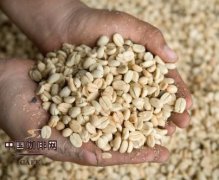
Basic knowledge of how to select high-quality coffee by hand
Hand selection: is the step of removing impurities and bad beans attached to delicious coffee beans. Coffee beans are often mixed with foreign bodies, such as stones, sawdust, pieces of metal, grains of soil, fruit of trees, and sometimes coins and glass. In coffee production areas, specific gravity bean selector (using wind power to classify according to particle size and weight) or electronic bean selector (removing defective beans according to color) will be used to prevent it.

The importance of selecting defective beans what is the definition of defective beans
The necessity of picking beans when you drink a cup of good coffee that is delicious and mellow, why does this cup of coffee taste good? In addition to the excellent varieties of raw coffee beans and the characteristics of careful planting and the correct roasting techniques of coffee roasters, the preparation and screening before roasting is one of the more important factors. Coffee beans are also a kind of agricultural products, naturally among the fruits harvested in the same batch.

Coffee training knowledge what is hand-selected coffee beans
Why is coffee training hand-picked beans? Hand selection: is the step of removing impurities and bad beans attached to delicious coffee beans. Coffee beans are often mixed with foreign bodies, such as stones, sawdust, pieces of metal, grains of soil, fruit of trees, and sometimes coins and glass. A specific gravity bean selector (using wind power to classify according to particle size and weight) or an electronic bean selector (according to the size and weight of particles) is used in coffee production areas.
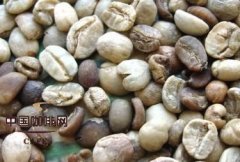
Basic knowledge of boutique coffee defective beans
Moldy beans: because of incomplete drying, or damp in the process of transportation and storage, cyan and white molds grow, which sometimes make the beans stick together. If these moldy beans are not removed, they will produce moldy smell. Dead beans: beans with abnormal results. The color is not easy to change because of baking, so it is easy to distinguish. The flavor is thin, as harmful as silver skin, and will become a peculiar smell.
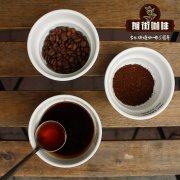
What does the hand selection in Coffee mean? the reason for Indonesia Manning's three hand selections
Professional coffee knowledge exchange more coffee bean information Please pay attention to the coffee workshop (Wechat official account cafe_style) the so-called raw beans in the industry, which refers to the "core of coffee fruit, the core in the core (usually left and right lobes)" after treatment (sun / water washing / semi-washing, etc.), the fruit fermentation process, dry coffee beans with a moisture content of 10-12%. As pictured above, in
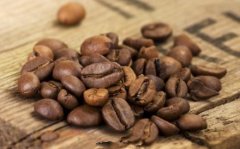
The basic knowledge of Coffee defective beans
Moldy beans: because of incomplete drying, or damp in the process of transportation and storage, cyan and white molds grow, which sometimes make the beans stick together. If these moldy beans are not removed, they will produce moldy smell. Dead beans: beans with abnormal results. The color is not easy to change because of baking, so it is easy to distinguish. The flavor is thin, as harmful as silver skin, and will become a peculiar smell.

Coffee tasting and describing the defective flavor of coffee what is the taste defect of potato?
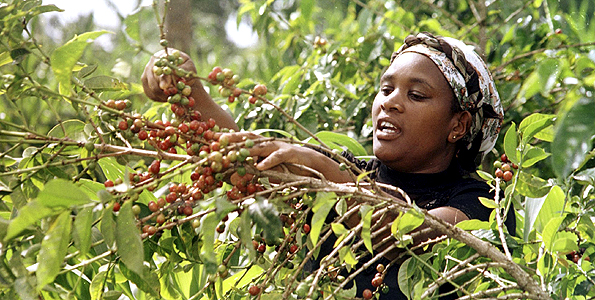
Potato defects in coffee, also known as potato taste defects, or PTD, occur in coffee in Rwanda, western Uganda, Burundi and the Democratic Republic of the Congo. It smells and tastes like the name: raw potatoes. The visual recognition rate associated with PTD defective seeds (or coffee beans) is very low, if any. In fact, most defective seeds
What is the better taste of large granulated beans and small granulated beans?
From the fruit state of coffee beans when they are picked from the tree to the state of raw beans that can be baked, the moisture content of coffee beans will be controlled between 9% and 13%, and it is not easy to bake if the water content is too high or too low. Generally, we get newly collected raw beans with water washing treatment, the moisture content is usually about 11.5% to 12.5%, half-washed Mantenin may reach 13%, and half-washed Brazil is 11% ~ 12% per day.
Several kinds of coffee defective beans are introduced.
Moldy beans: because of incomplete drying, or damp in the process of transportation and storage, cyan and white molds grow, which sometimes make the beans stick together. If these moldy beans are not removed, they will produce moldy smell. Dead beans: beans with abnormal results. The color is not easy to change because of baking, so it is easy to distinguish. The flavor is thin, as harmful as silver skin, and will become a peculiar smell.

Ten types of defective beans
Before selecting defective beans, raw beans need to be screened in order to make the beans uniform in size. You can use three different sizes of special custom screen, or you can use the metal screen sold in general horticultural shops, but pay attention to the size. The purpose of sieving is to separate the size of beans and remove impurities. The next step is hand-selected. In order to improve the efficiency of hand selection, some props must be used, including

Basic knowledge of coffee selection methods and matters needing attention of raw coffee beans
The taste of raw beans and fruits before selection will not vary according to their size. What about coffee beans? Coffee beans harvested from the same tree, regardless of size
Dry water washing roasted coffee beans raw beans Ethiopian Sidamo sun treatment Lion King
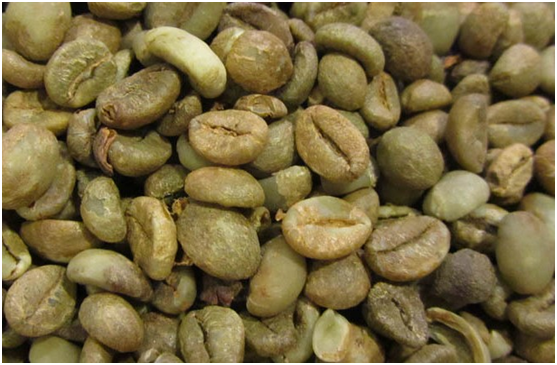
The appearance of dry coffee is different from that of water-washed coffee: the water content of water-washed coffee is 12% Mel 13%, and that of dry coffee beans is 11% Mel 12%. Outwardly, the former looks darker green. Generally speaking, the raw beans with higher water content are mostly green or cyan, while those with less water content are brown or close to white. Raw beans are refined by washing.

Introduction of Ten types of defective beans
Before selecting defective beans, raw beans need to be screened in order to make the beans uniform in size. You can use three different sizes of special custom screen, or you can use the metal screen sold in general horticultural shops, but pay attention to the size. The purpose of sieving is to separate the size of beans and remove impurities. The next step is hand-selected. In order to improve the efficiency of hand selection, some props must be used, including

Teach you how to determine the freshness of coffee beans
Defective beans, as the name implies, are defective beans, bad beans, just like bad apples. There are a variety of reasons and many kinds of coffee. Here is a detailed description of the things that affect the quality of coffee. A variety of factors can cause defective beans. Defective beans can be produced as large as the growing environment of coffee trees and as small as the process of harvesting and processing raw beans. But don't.
Selection methods and matters needing attention of raw coffee beans
The taste of raw beans and fruits before selection will not vary according to their size. What about coffee beans? Coffee beans harvested from the same tree, regardless of size

Selection of coffee beans
In short, when choosing green coffee beans, beans with uniform shape, thickness, size, color, center line and so on are the best. In short, an average bean is a good bean. Unfortunately, such beans are extremely rare.

Do you know how coffee worms are formed? how many kinds of defective coffee beans are there?
Professional coffee knowledge exchange more coffee bean information please pay attention to the coffee workshop (Wechat official account cafe_style) 1, coffee with shell beans covered on the inside of the pulp, mostly residual on the washing method of coffee beans, poor heat permeability when roasting, and sometimes burning, is the reason for the astringent taste of coffee. Others are broken beans, red peas (naturally dried
Coffee beans common sense coffee roasting defective beans introduction
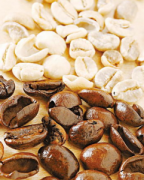
Mildewed beans: because the drying is not complete, or in the transportation, storage process damp, and grow cyan, white mold, sometimes make beans stick together, if not remove these moldy beans, will produce mildew smell. Dead beans: beans that bear abnormal fruit. The color is not easily changed by baking, so it is easy to distinguish. The flavor is thin and harmful as silver skin, which will become peculiar smell.
Selection of coffee beans introduction to defective beans in coffee roasting
Moldy beans: because of incomplete drying, or damp in the process of transportation and storage, cyan and white molds grow, which sometimes make the beans stick together. If these moldy beans are not removed, they will produce moldy smell. Dead beans: beans with abnormal results. The color is not easy to change because of baking, so it is easy to distinguish. The flavor is thin, as harmful as silver skin, and will become a peculiar smell.